Never Hired Tree Help Before? Start Here
Say you glance out the kitchen window and spot a big limb hanging low over the roof. Or a tree in the yard leans a bit more than it did last spring. You have never hired anyone for this. You are not sure what it costs, who to trust, or what the job even looks like.
That is the gap Writerrip Tree Service fills. It is a referral service, not a tree company. Writerrip Tree Service does not climb, cut, or haul anything. It connects homeowners in Joliet and the Joliet area with independent local providers who do the work. A provider looks at the tree, talks through the options, and gives you a written quote. You decide what happens next.
This page is a simple guide. It covers planned tree removal, emergency tree removal after a storm, and the questions worth asking before anyone starts a saw. If you would rather type than talk, the request form works just as well.
Request a callback to check provider availability, or use the form if you would rather write things down first.
Get an Estimate
How It Works
What Writerrip Tree Service does, and what it does not
Picture a neighbor who has hired a tree provider before. You ask who to call, and they point you to someone they trust. Writerrip Tree Service plays a similar role, only across the whole area. It listens to what you need, then connects you with independent providers in the network.
The providers are separate businesses. They own their trucks, set their own prices, and decide their own schedules. Writerrip Tree Service does not do the work and does not set the price.
Three simple steps
First, tell Writerrip Tree Service what is going on. A leaning oak, a dead ash, a branch resting on the garage. A few details are enough.
Second, a local provider reaches out. Many providers can respond quickly, but openings and call hours vary by provider, so ask about timing.
Third, the provider looks at the job and gives you a written quote. Read it, ask questions, and decide. Saying no is fine.
Why a first-timer should care
Tree work looks simple from the ground. It is not. Heavy limbs, power lines, and tight spaces beside a frame house or a ranch home add real risk. Providers work with the right gear for it. A homeowner with a ladder and a borrowed chainsaw does not.
What you gain from the match
You get a clearer picture before any money changes hands: the work involved, the likely steps, and a quote in writing. That makes the decision calmer, even when the tree is not.
Local Help Across the Joliet area
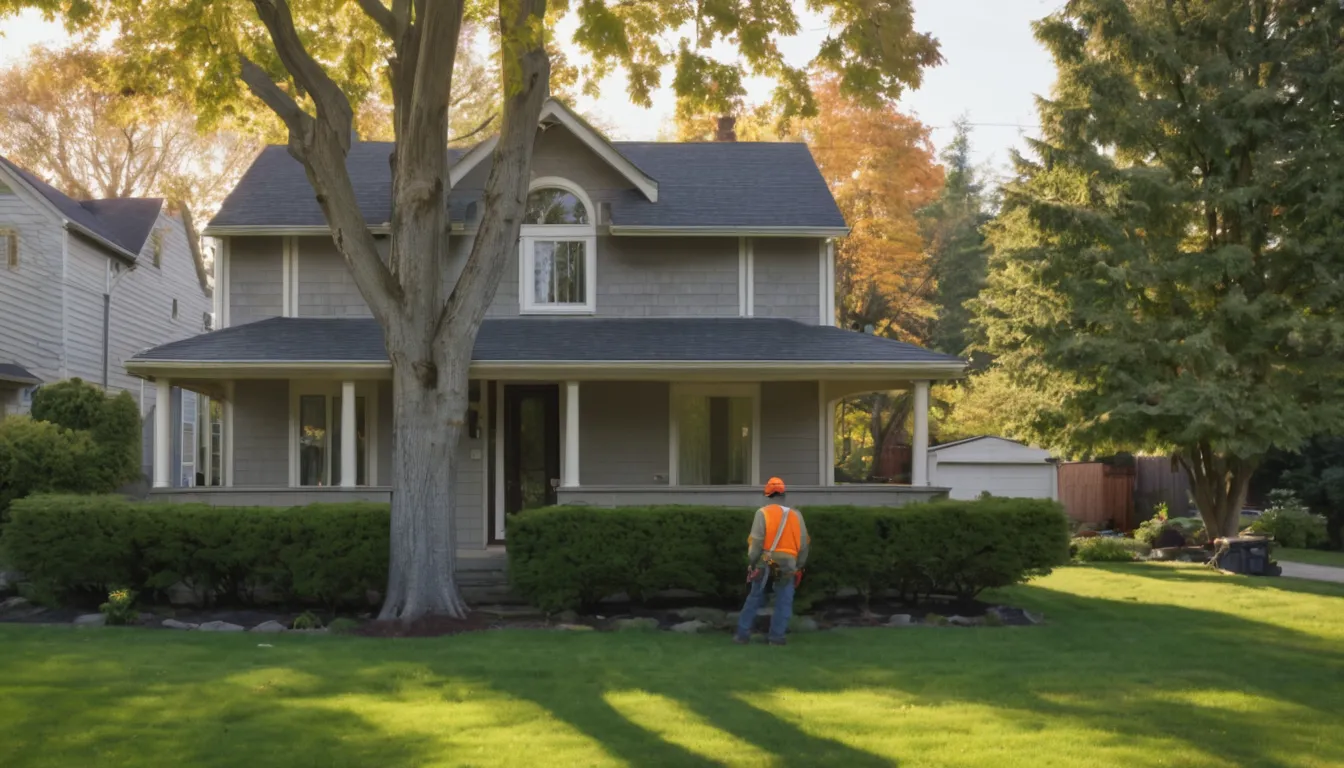
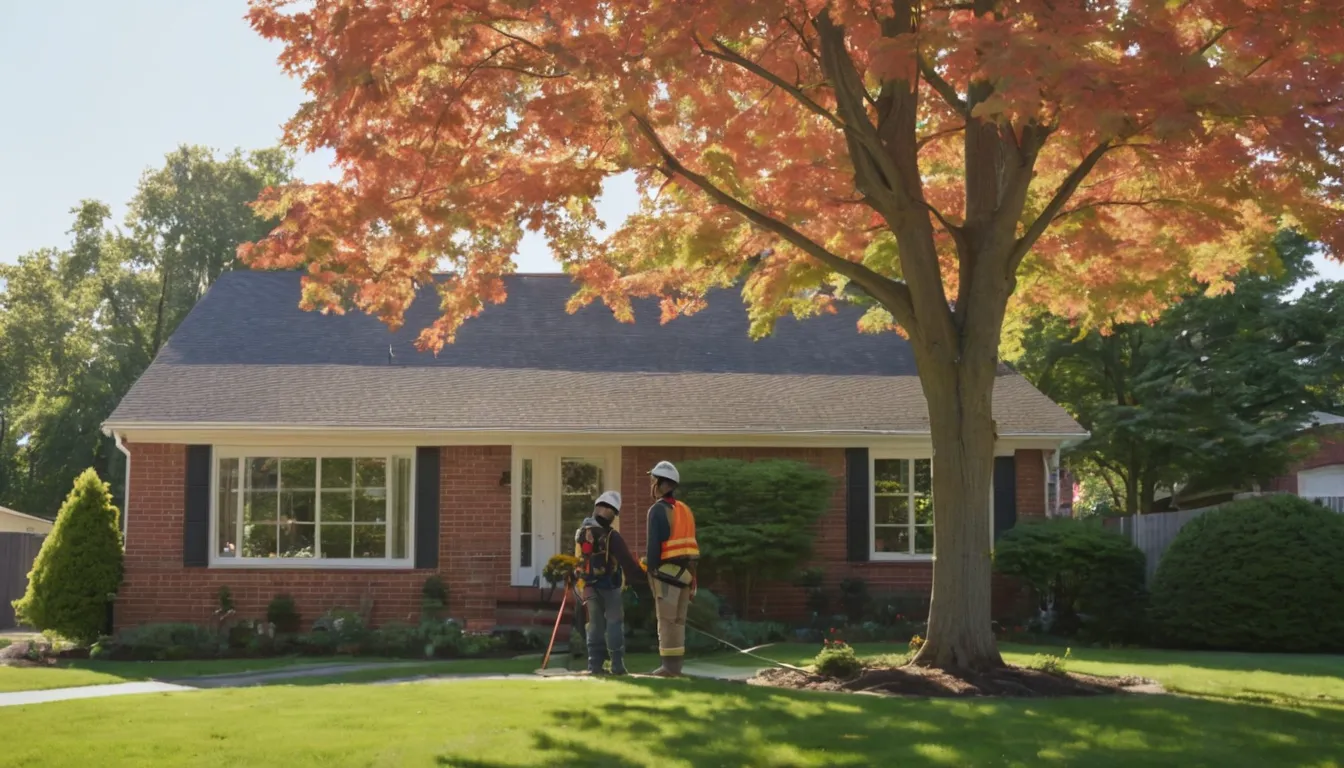
Say you live in a frame house that has stood for decades, with a big maple out front planted when the house was new. Or a ranch home with a row of tall poplars along the back fence. Trees like these grow old right alongside the homes around them.
Providers in the network work across Joliet and the Joliet area in Illinois. Local knowledge matters here. Cold winters bring deep frost that can crack stressed trunks and loosen roots. Hot, humid summers push fast growth and invite pests. Severe thunderstorms and hail can snap limbs or topple a whole tree in minutes. Spring flooding softens the ground, and a soaked yard can let a tree lean or fall.
Many homes here have full basements with sump pumps, so heavy equipment and root work near the foundation deserve a careful plan. A provider who knows the local soil and yards can talk it through with you.
Not sure whether your address is covered? Send a request. A provider can confirm whether they serve your street, and there is no obligation.
Get an Estimate
What First-Time Homeowners Should Know
Signs a tree may need to go
Say you notice mushrooms at the base, bark peeling off in sheets, or a long vertical crack in the trunk. Those can point to decay inside. Dead branches at the top, a sudden lean, or roots lifting the lawn are other clues. A provider can tell you whether the tree can be saved or should come down.
Removal is not the only option
Sometimes trimming, cabling, or taking off one bad limb solves the problem. Other times the tree is too far gone. Ask the provider to explain both paths and why they lean one way.
What a typical visit looks like
A provider walks the yard, checks for wires, fences, and roof lines, and plans where the tree will land. Then they put the quote in writing. On the work day, the crew cuts the tree in sections or fells it, then hauls away the wood if that is in the quote.
Stump grinding
A tree can be gone while its stump stays. Stump grinding shaves the stump below ground level so you can plant grass or lay a path. Some quotes include it. Some do not. Ask so there are no surprises.
Storm damage and emergency tree removal
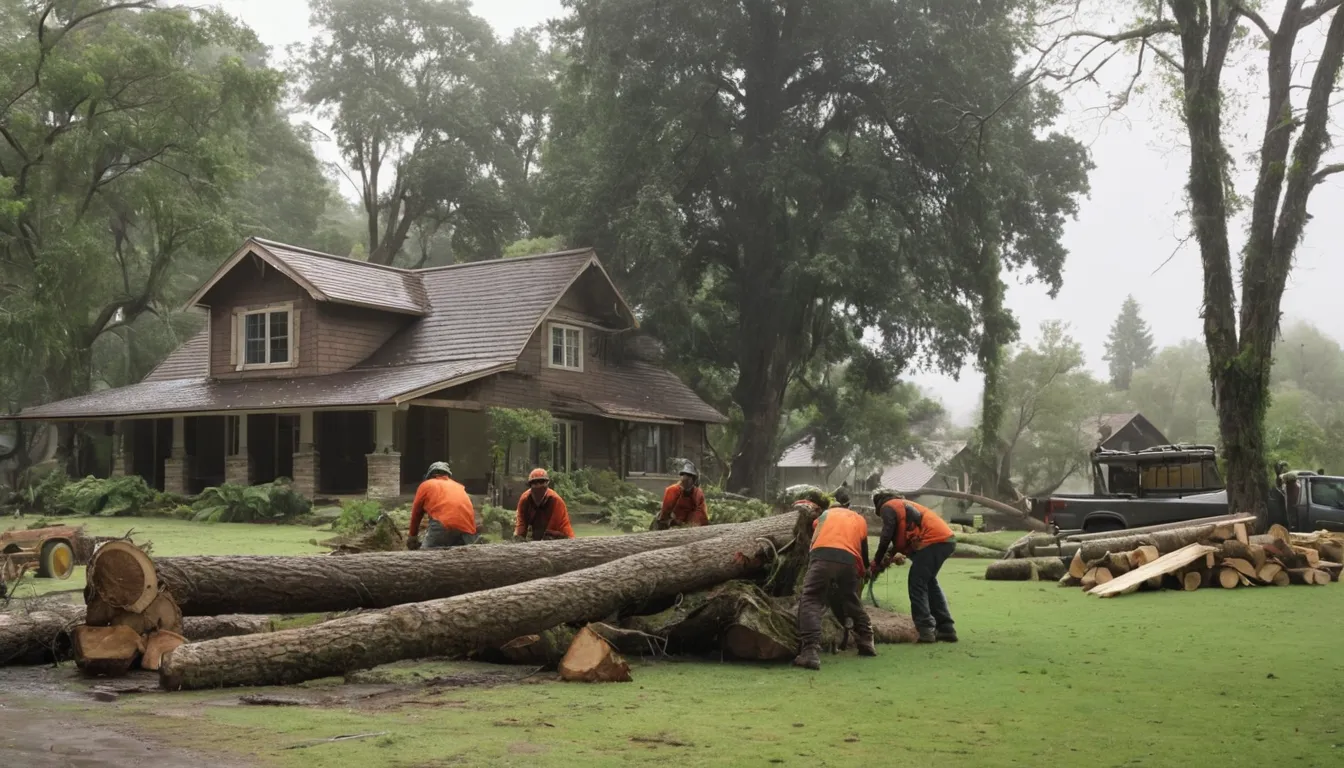
Say a thunderstorm rolls through and a tree lands across the driveway or on the roof. Stay inside if limbs or lines are down, and keep away from anything tangled in a power line. Emergency tree removal and storm tree clearance are for moments like this. Some homeowners search for a tree falling service when a trunk is already down, and that is the same kind of job. Many providers can respond quickly, but availability varies, so request a callback to check provider availability.
What it may cost
Prices vary by tree size, height, location, and access. In the U.S., small tree removal often runs a few hundred dollars. Medium trees may land between about $500 and $1,500, and large or tricky trees can reach $3,000 or more. Stump grinding is often priced separately, and emergency work can cost more. Always get a written quote.
Insurance and paperwork
Some policies may cover sudden damage, such as a tree that falls in a storm. Check your policy to see what applies. Providers can often help document damage for a claim with photos and notes. Some towns also require a permit for certain trees, so ask your local city office.
Questions worth asking
- Is the quote in writing, and what does it include?
- Is cleanup and hauling part of the price?
- Is stump grinding included?
- How will the provider protect my lawn, roof, and fence?
- What does the timing look like?
Request Your Estimate
Whether the tree is leaning or already down, the next step is small. Tell Writerrip Tree Service what you see, and a local provider in the network can follow up. Request a callback to check provider availability, or send the request form. Photos of the tree and the space around it help a provider give a clearer quote.
You can also email contact@writerrip.property. The provider sets the price and terms, and you decide with no obligation.
Get an Estimate